
🤖 Nested Virtualization - AWS EC2 Performance Evaluation
This article covers the evaluation of Nested Virtualization on AWS EC2, comparing its performance for slicervm and selfactuated platforms against existing PVM patches from Antgroup.
Key Points:
• Evaluating Nested Virtualization performance on AWS EC2
• Comparing results with PVM patches developed by Antgroup
• Assessing compatibility and performance for slicervm and selfactuated
🔗 Resources:
• slicervm ↗ - Open-source unikernel-based virtual machine manager
• selfactuated ↗ - Platform for self-actuating systems

Image
💡 KVM on AWS EC2 - Running KVM on x86_64 Instances
This article explains how to run KVM on various x86_64 EC2 instances, addressing the limitations of AWS's new Nested Virtualization offering which is restricted to certain Intel instances.
Key Points:
• AWS Nested Virtualization has specific instance type limitations
• KVM can be deployed on a broader range of x86_64 EC2 instances
• Provides a method to overcome AWS instance restrictions for virtualization
🚀 Implementation:
- Review Documentation: Access the official Slicervm documentation for PVM setup.
- Follow Setup Guide: Implement the steps for installing KVM on x86_64 EC2.
- Configure KVM: Customize KVM settings for your specific instance requirements.
🔗 Resources:
• Slicervm Documentation ↗ - Guide to running KVM on x86_64 EC2
🤖 Kubernetes Management - Scaling EKS on AWS
This article explores the operational challenges associated with managing multiple Kubernetes clusters and discusses the practical realities of scaling Elastic Kubernetes Service (EKS) on AWS.
Key Points:
• Multi-cluster Kubernetes management introduces significant operational complexity
• Operational challenges multiply as the number of Kubernetes clusters grows
• Focuses on the practicalities of scaling AWS EKS environments effectively
🔗 Resources:

Image
💡 Personal Pursuits - Funding Creative Endeavors
This article reflects on the desire for a lifestyle that enables individuals to focus on personal creative projects and leisure, supported by external financial resources.
Key Points:
• Exploring avenues for financial independence to pursue personal interests
• Prioritizing personal creative projects and crafts as a primary focus
• Envisioning a life free from traditional work obligations for personal fulfillment
🤖 Deep Learning - H-dimensional Structural Entropy for Optimization
This article discusses H-dimensional Structural Entropy, a method designed to minimize uncertainty and facilitate optimization processes without requiring a predefined number of clusters.
Key Points:
• H-dimensional Structural Entropy reduces uncertainty in data analysis
• Enables optimization algorithms without specifying cluster numbers
• Applicable in deep learning and graph structural entropy contexts
🔗 Resources:
• Hackernoon Article ↗ - Explains H-dimensional Structural Entropy concepts
💡 Future of Work - People and Technology Integration
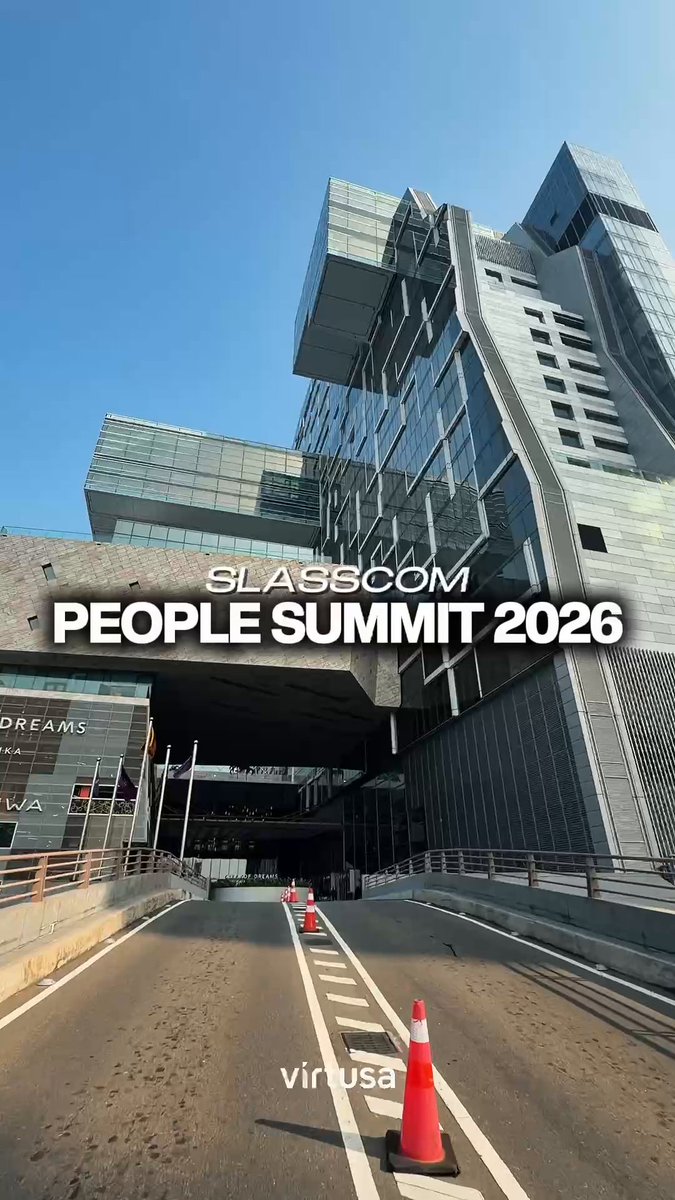
This article highlights discussions from the SLASSCOM People Summit 2026, focusing on how the synergy between people and technology is shaping the future of work and driving impactful outcomes.
Key Points:
• People and technology are critical in shaping the future of work
• Synergy between human thriving and technological impact is essential
• Insights from industry leaders on future work models and innovation
🔗 Resources:
Image
🤖 Kubernetes Pod Management - In-place Pod Resize and QoS Class Limitations
This article discusses the benefits of in-place pod resizing in Kubernetes while highlighting a critical limitation: the Quality of Service (QoS) class is immutable once a pod is created.
Key Points:
• In-place pod resize is a beneficial Kubernetes feature for resource adjustment
• QoS class for a pod is determined at creation and cannot change later
• Burstable pods remain evictable even with significantly scaled resources
• Understanding QoS class immutability is crucial for pod resilience planning
🔗 Resources:

Image
🤖 Data Privacy - AI Training Data Restrictions via NDAs
This article discusses the implications of Non-Disclosure Agreements (NDAs) on the use of proprietary data for training AI models, specifically highlighting instances where customer data is restricted from being used.
Key Points:
• NDAs dictate permissible data usage for AI model training
• Large customers often negotiate specific terms for their program data
• Data privacy agreements prevent training AI with certain sensitive information
🤖 Artificial Intelligence - Bridging the Production Gap for Agentic AI
This article summarizes a discussion on transitioning Agentic AI solutions from development to production environments, featuring insights from Fabrix.AI and Tech Field Day.
Key Points:
• Addresses the challenges of deploying Agentic AI into production
• Highlights strategies for overcoming the production gap in AI development
• Features discussions from industry experts on AI infrastructure
• Focuses on real-world applications of Agentic AI technologies
🔗 Resources:
• YouTube Video ↗ - Crossing the Production Gap to Agentic AI
• TheFabrixAI ↗ - Solutions for Agentic AI

Image
🤖 Cybersecurity Vulnerabilities - Claude Desktop Extension Hijacking via Calendar Events
This article addresses a critical security vulnerability where the Claude desktop extension can be exploited to distribute malware through seemingly innocuous Google Calendar events.
Key Points:
• Claude desktop extension is susceptible to hijacking vulnerabilities
• Malware distribution is possible via crafted Google Calendar events
• Highlights the need for vigilance against novel attack vectors and exploits
🔗 Resources:
• Original Tweet ↗ - Discusses the Claude extension security flaw
⭐️ Support
If you liked reading this report, please star ⭐️ this repository and follow me on Github ↗, 𝕏 (previously known as Twitter) ↗ to help others discover these resources and regular updates.
