
🤖 NotebookLM - Human-like Voice Generation
This article discusses a novel approach to NotebookLM, focusing on generating human-like and unique voices for business and product applications. A demo is forthcoming.
Key Points:
• Generates text with uniquely human-sounding voices.
• Distinguishes itself from other similar products.
🔗 Resources:
• Loftwah ↗ - Developer's X profile
• Tweet ↗ - Original tweet
💡 Open Source vs. Closed Models - Competitive Strategy
This article examines the strategic implications of open-source versus closed-source models in the context of a competitive technological landscape. The discussion highlights the potential disadvantages of attempting to catch up with a leading closed-source model.
Key Points:
• Open-source models offer a strategic advantage for those lagging behind.
• Closed models hinder the ability to compete effectively against open-source.
🤖 Google Kubernetes Engine (GKE) - Dynamic Resource Allocation (DRA)
This article provides an overview of Dynamic Resource Allocation (DRA) in Google Kubernetes Engine (GKE) and its upstream Kubernetes implementation. It describes DRA's functionality for claiming resources such as GPUs.
Key Points:
• DRA allows for the dynamic claiming of devices like GPUs.
• Provides foundational documentation for GKE and upstream Kubernetes.
• Uses a similar methodology to PersistentVolumeClaims for volume addition.
🚀 Implementation:
Consult the provided documentation for implementation details.
Configure your GKE cluster to utilize DRA.
Deploy applications leveraging the dynamic resource allocation.
🔗 Resources:
• Google Cloud Documentation ↗ - DRA documentation

Image
💡 Software Engineering - AI-Assisted Development Trends
This article summarizes key topics related to the intersection of artificial intelligence and software engineering. The topics touch upon AI agent training, API architecture, shadow IT, engineering team leadership, and productivity.
Key Points:
• Focuses on training AI agents effectively.
• Emphasizes zero-trust principles in API architecture.
• Addresses the challenges of "vibe coding" and shadow IT.
• Provides guidance on leading engineering teams toward AI-assisted development.
• Realistically assesses AI-assisted software engineering productivity.
🔗 Resources:
• Newsletter Preview ↗ - Newsletter preview

Image
🚀 .NET & C# Development Conference - DEVintersection
This article announces the DEVintersection conference in Orlando, Florida, in October. It highlights the speakers and topics to be covered, emphasizing .NET 8, C# 13, Blazor, Angular, Azure, cloud-native development, and clean architecture.
Key Points:
• Focuses on .NET 8 and C# 13.
• Covers Blazor and Angular frameworks.
• Addresses Azure and cloud-native development.
🔗 Resources:
• DEVintersection ↗ - Conference information

Image
🤖 Sonic AI Model - Calendar Application Development
This article describes the experience of building a simple calendar desktop application using the Sonic AI model. The author notes the model's strengths and weaknesses, suggesting improvements.
Key Points:
• Successfully built a functional calendar app.
• Utilized over 30 million tokens.
• Highlights the model's limitations and potential for improvement.
🔗 Resources:
• Tweet ↗ - Original tweet

Image
💡 Rapid Application Development - AI-Assisted Calendar App
This article highlights the speed at which a fully functional calendar application was developed using AI assistance. It emphasizes the rapid prototyping capabilities.
Key Points:
• Rapid development of a functional calendar application.
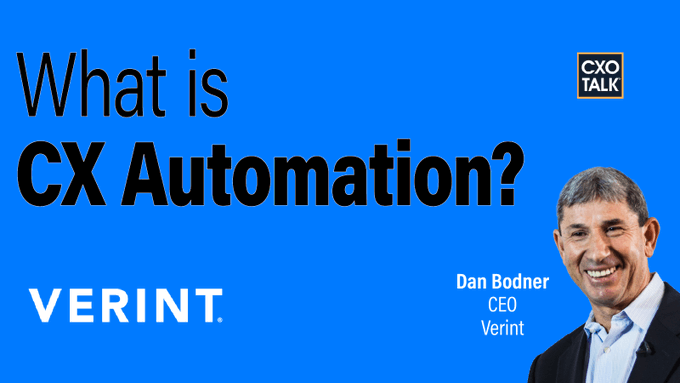
💡 AI in Call Centers - Enhancing Customer Experience and Revenue
This article discusses the various ways AI can be utilized in call centers to improve customer experience, reduce costs, and increase revenue through improved agent training and upselling.
Key Points:
• AI increases workforce capacity in call centers.
• Options include cost reduction, improved customer experience, and revenue increase.
🔗 Resources:
• CXOTalk ↗ - Podcast episode
Image
✨ US Government - Federal Web Portal Redesign
This article announces the appointment of Joe Gebbia as the first Chief Design Officer of the United States. His role will involve redesigning approximately 26,000 federal web portals.
Key Points:
• Focuses on redesigning obsolete federal web portals.
• Aims to improve service for social security recipients and veterans.
💡 OAuth - System Design Challenges
This article briefly describes the author's struggles with OAuth in system design, expressing frustration with its complexity.
Key Points:
• OAuth is identified as a source of problems in system design.
⭐️ Support
If you liked reading this report, please star ⭐️ this repository and follow me on Github ↗, 𝕏 (previously known as Twitter) ↗ to help others discover these resources and regular updates.
