Framer has released three new AI models: Sol, Terra, and Luna. These models aim to provide better control over creative quality, operational cost, and processing speed for users within the Framer platform.
Key points
• Sol is Framer's strongest creative model, scoring 100% on internal benchmarks.
• Sol operates at the same credit cost as the previous GPT 5.5 model.
• The new model lineup offers options to balance AI model quality, cost, and speed.
Sources
- Framer Blog Post - Details on Sol, Terra, and Luna models.
- Framer Benchmarks - Full benchmark results for the new models.

ChatGPT - GPT-Live Feature Rollout
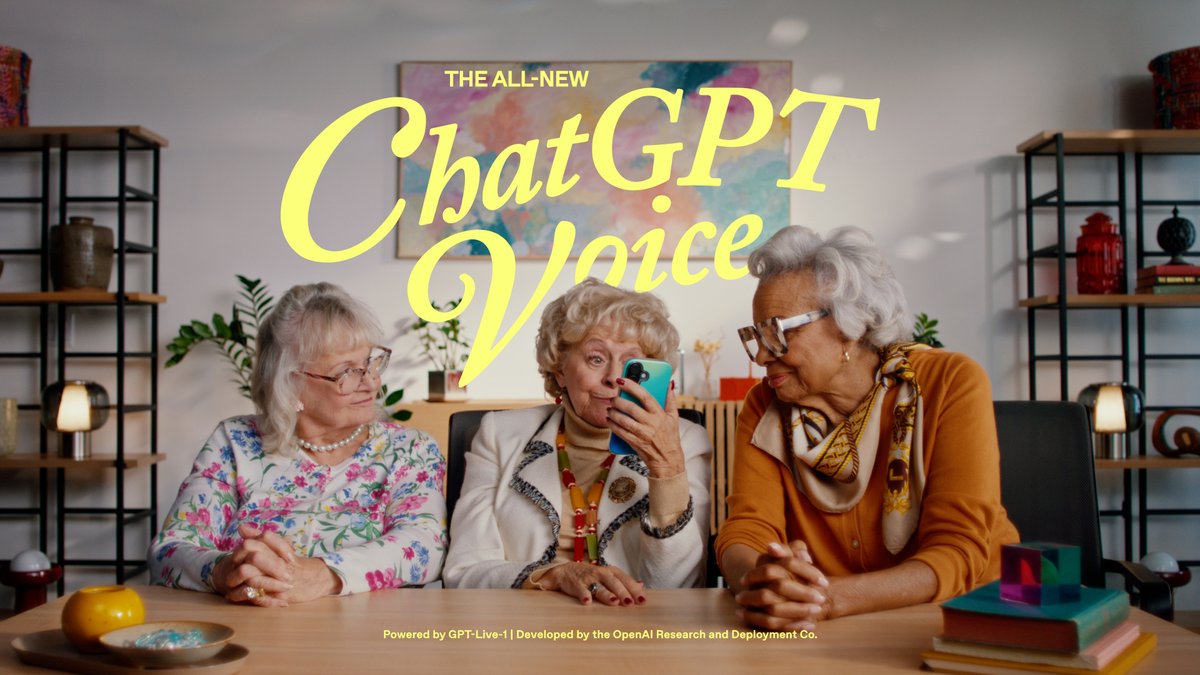
GPT-Live is now available to ChatGPT users on Go, Plus, and Pro plans. This feature enables real-time interaction capabilities directly within the ChatGPT application.
Key points
• GPT-Live is available for ChatGPT subscribers on Go, Plus, and Pro plans.
• A rollout for free ChatGPT users is currently in progress.
• Accessing the feature requires updating the ChatGPT mobile application.
Implementation
- Update the ChatGPT app to the latest version on iOS or Android.
Sources
Typefully - X Articles Publishing Integration
Typefully now integrates with X to allow users to draft and publish long-form articles. This feature includes tools for feedback and content previewing before publication.
Key points
• Typefully supports drafting and publishing long-form X Articles.
• The platform offers features for feedback comments and article previewing.
• Publishing Articles requires X Premium, but drafting is available for all Typefully users.
Implementation
- In Typefully, click on the "New draft" menu.
- Select the new "Article" option to begin drafting.
Sources
- Typefully AI Agents - Information on AI agent capabilities.
- Typefully API Docs - Documentation for the Typefully API.
- Typefully Changelog - Recent changes and updates for Typefully.


MMARA - Custom AI for Specialized Domains
MMARA's founders opted to build a custom AI solution instead of integrating existing large language models. This decision prioritizes user trust and domain-specific accuracy, particularly in sensitive areas like women's health.
Key points
• Generic LLMs can exhibit performance limitations in specialized application domains.
• Developing custom AI allows for tailored accuracy in specific use cases.
• Prioritizing user trust can drive investments in proprietary model development.
• A custom AI development path, while slower, can yield better long-term reliability.